
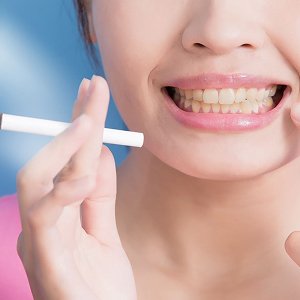
Tobacco cessation
A leader in preventive care, our multi-specialty dental clinic has a dedicated treatment that provides on-going support to patients who are attempting to quit smoking.
According to research, cigarette smoke contains over 4,000 chemicals ? Including carbon monoxide, tar and a multitude of several harmful substances namely arsenic, lead and benzene. Tobacco smoke has also been found to contain approximately 50 carcinogenic substances.
Beyond causing the commonplace annoyances of coughing, shortness of breath, phlegm, and premature aging of the skin, smoking is one of the main risk factors for serious illnesses, and it reduces life expectancy by an average of approximately 10 years. The health problems that smoking causes include peptic ulcers, hypertension, stroke and other cardiovascular diseases, arteriosclerosis, chronic bronchitis and emphysema. Many types of cancer, including lung, neck and throat (larynx, esopharynx, oropharynx), esophagus, bladder, kidney and cervical cancer, are attributable to smoking.
Smoking is the number-one preventable cause of death in the world. Yet, the addictive power of tobacco is so strong that barely 3% to 10% of smokers succeed in quitting for one year without assistance. Success rates increase to between 15% and 20% when smokers benefit from some form of support.
Here is the good news. You can quit smoking—even after a long history as a smoker!
The sceptics will be happy to know that the risks for disease greatly diminish just a short time after smoking is stopped. Research has also shown that the risk for heart attack decreases mere days after smoking cessation and is cut in half in just one year. Five years after cessation, the risk for heart attack is essentially the same as for someone who has never smoked!
At our clinic, we consult in tobacco prevention one-on-one support. Firstly, at the start of the cessation process a proper diagnosis is done which allows us to learn and pinpoint the client's needs in order to provide personalized support. We make a thorough assessment like: Getting an overview of symptoms of anxiety or depression, assessing the patient's degree of nicotine dependence, determine breath carbon monoxide levels and screen for early symptoms of chronic lung disease.
We take comprehensive analysis of patient's symptoms and discuss several topics with him like his previous attempt to quit, motivations and fears about upcoming attempt to quit, effects of tobacco use on overall health and medications taken by the patient along with the patient's medical history.
A smoking reduction or cessation plan is based on the patient's personal goals. We provide various options if patient is interested in pharmacological support. We can also suggest the ideal treatment for patients based on their previous experiences and medical history like Nicotine replacement therapy (patch, lozenge, gum, inhaler or spray), Champix and Zyban.
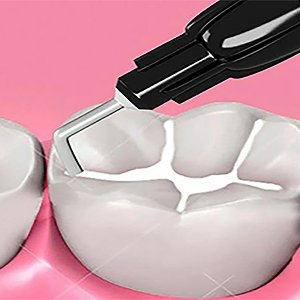
Pit & Fissure Sealant
The top surfaces of your teeth – where the chewing takes place – aren’t smooth and flat. They are crevices with tiny hill s and valleys – called pits and fissures. These are places where plaque can build up safe from your toothbrush and dental floss. Some of the pits and fissures are so narrow that even a single bristle from your toothbrush can’t get deep enough to clean them out.
One method of preventing cavities from developing in the pits and fissures is to seal them with a varnish called a pit and fissure sealant. If our doctors determine you need a sealant to help protect your teeth from decay, some special steps are taken. Our Certified Dentist will clean the tooth first, apply a solution to ‘etch’ the surface and make it easier for the pit and fissure sealant to stick. Keeping the area dry is very important, if the tooth gets wet, the sealant might not stick properly. Once everything is ready, we then apply the sealant right over the pits and fissures on the tooth surface. A special light is then used to cure the sealant and the whole procedure is quick and painless.
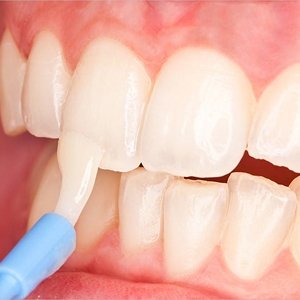
Caries ( Decay ) Prevention by fluoride treatment
Fluoride is a mineral that helps to prevent tooth decay. Fluoride varnish is a golden gel which is applied to children’s teeth using a soft brush. The varnish sets quickly and has a pleasant taste and a fruity smell.
How fluoride varnish works ?
It slows down the development of decay by stopping demineralisation.
It makes the enamel more resistant to acid attack (from plaque bacteria), and speeds up remineralisation (demineralising the tooth with fluoride ions, making the tooth surface stronger and less soluble).
It can stop bacterial metabolism ( at high concentrations ) to produce less acid.
Fluoride varnish leads to heavy remineralisation of the enamel surface, and subsequent acid attacks will allow fluoride ions to penetrate more deeply into the tooth structure. Varnishes like Duraphat® are useful because they stay on the tooth surface for some hours, allowing slow release of the fluoride ion.
What Is Fluoride Varnish ?
Most fluoride varnishes are lacquers containing 5% sodium fluoride in a colophony / resin base. Depending on the brand, there are significant differences in fluoride varnish preparations,
Making comparisons difficult (Shen, Autio-Gold, 2002). Fluoride varnish provides a highly concentrated, temporary dose of fluoride to the tooth surface. The varnish holds fluoride close to the tooth surface for a longer period of time than other concentrated fluoride products. Unlike low-dose fluorides available over the counter such as fluoride toothpaste, highly concentrated fluoride products such as fluoride varnish must be applied by a healthcare professional.
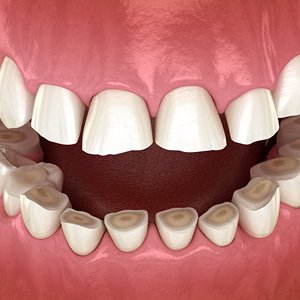
Nocturnal Bruxism ( Night teeth grinding )
“Bruxism” is the medical term to describe teeth grinding. Many people grind or clench their teeth due to anxiety or stress (even in their sleep), but when the grinding occurs on a consistent basis the teeth can suffer damage and possibly lead to other serious oral health problems. A visit with our dentists may be a solution if you suffer from bruxism.
Although many grind their teeth during stressful situations, most often grinding happens when asleep so you are not aware you are doing damage until it is too late. An abnormal bite or missing or cracked teeth can also be causes of bruxism.
How can you know if you are grinding your teeth while asleep ?
Dull, constant headaches grinding may be detected by a partner, friend or family member. Sore jaw or tenderness in the TMJ (jaw joint)
If you suspect grinding your teeth has become more than just occasional, an exam by your dentist can reveal signs of bruxism such as jaw tenderness or teeth abnormalities. Following up with your dentist if you are grinding is critical.
Constant grinding may result in broken teeth, and even tooth loss. It’s even possible to grind teeth down to virtual stumps. If this happens, you are looking at the potential for bridges, crowns, root canals, dental implants or dentures or more costly dental care. Severe grinding can also lead to hearing loss or serious conditions like TMJ which can even alter your appearance due to the affect bruxism can have on your jaw.
There are several options our dental team can offer you to relieve bruxism. Wearing a professionally fitted mouth guard during sleep will protect your teeth from grinding during the night.
If you are grinding due to stress, your dentist can recommend ways to relieve that stress through professional counselling, exercise or possibly muscle relaxants.
Things you can do on your own to possibly reduce grinding include cutting back on foods and beverages that contain caffeine, avoid alcohol consumption, do not chew gum or anything that is not food as this allows your jaw muscles to train to clench.
If you realize you are clenching your teeth either during the day or if you awaken to realize you are clenching your teeth, the quickest way to stop right then is to place your tongue between your teeth or open your mouth and try to keep it open for as long as you can.
These two exercises are only temporary.

Snoring & obstructive sleep apnea
Snoring is extremely common and, in many cases, relatively harmless. Nearly everyone snores at one time or another. Occasional light snoring, at worst, is a minor annoyance. Loud and habitual snoring can disrupt your sleep and may be a sign of a much more serious sleep disorder – obstructive sleep apnea.
Snoring is a sound that occurs in the upper airway as you breathe in air. The unmistakable sound is a sign that your airway is partially blocked, usually by soft tissue in your throat. The flow of air causes the soft tissue to vibrate, generating the noise, which comes out of your nose, mouth or both.
The volume of snoring depends on the person. You may snore so loudly you wake yourself up. Snoring may also cause you to have a dry mouth or to wake up with a dry mouth and a sore throat.
CPAP (continuous positive airway pressure) Oral appliance therapy Upper airway surgery.
These techniques may be used alone or in combination with other treatments for sleep apnea. Behavioural therapies include weight loss, avoidance of alcohol and tobacco and sleeping on your side, and may reduce the severity of sleep apnea.

Sports dentistry ( Mouth guard )
Sports dentistry is a branch of dentistry that deals specifically with sports related injuries, treatment and prevention.
Sports Dentistry Department offers preventative, oral trauma treatment, restorative, endodontic, prosthodontics, and aesthetic dentistry for all athletes.
The Sports Dentistry Department is committed to the overall healthcare of athletes by providing them with the best dental care available, thereby supporting them in achieving their full potential through dental education, prevention and treatment.
Oral surgery is an important component to sports-related injuries for athletes, with the most common area of dental trauma being the upper front teeth. With our internationally renowned oral surgery consultant, we are able to provide sound clinical advice and comprehensive treatment for every patient.
Prevention is critical within the field of Sports Dentistry. Mouth guards protect against sports-related oral injuries and trauma by protecting teeth, gums, and lips, and should always be worn to protect teeth during sporting activities. Dental lab allows us to fabricate the highest quality customised mouth guard and night guards. Prepared using a specific material customised for sports use, the guards are specifically designed for each individual.
Promoting good oral health and, essentially, an athlete’s overall health, Sports Dentistry Department advocates both the highest level of quality treatments and the best education to ensure patients are receiving the specialized care they need.
One way this is achieved is through Prosthodontic treatment, such as full-ceramic fillings, crowns, bridges, and veneers. Restorations are inserted using a material that is able to match a patient’s natural tooth enamel, allowing the dentist to save as much healthy tooth as possible whilst providing a dental filling that not only strengthens the tooth, but looks and feels natural to the patient.
Endodontic treatment is provided to treat teeth in which decay has reached the pulp (nerve) and restorative treatment is no longer an option; i.e. periapical lesions or non-vital tooth due to trauma. The pulp is cleaned ( obturated ) and filled with a special material to prevent further complications. The majority of endodontic treatment is followed by Prosthodontic treatment as the structure of the tooth has become weakened.
Using state-of-the-art technology, our goal is to enhance patient experience using the most advanced procedures and equipment available, thereby ensuring every patient has a healthy mouth.
In addition to this also provides the latest technology in a whitening procedure that is proven to be fast, effective and long lasting.
Pit and fissure sealant services are also provided to aid in the prevention of dental decay by sealing the grooves in the premolars and molars, which are prone to bacteria, to assist in the prevention of disease.
Sports Dentistry offers a wide variety of dental services, including dental screening. Dental screening is the process in which an athlete’s oral health is evaluated through a thorough soft and hard tissue examination; including dental radiographs. This procedure can assist in identifying any asymptomatic dental problems, to follow-up on any treatment an athlete may be undergoing, or simply to ensure the athlete’s oral status is on a satisfactory level prior to attending his/her next training and/or match.
Dental emergencies can vary from pain, swelling, to a knocked out tooth. The kit contains various materials and instruments to aid in the immediate relief of pain, as well as a temporary solution should there involve a dental injury. Each NSMP doctor has been given the opportunity to learn about how to manage different types of oral injuries on the field and how to perform temporary treatment with the use of the dental emergency kit.